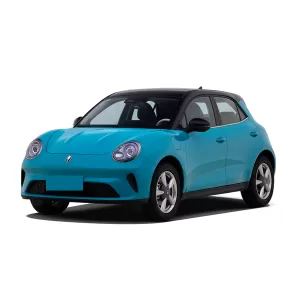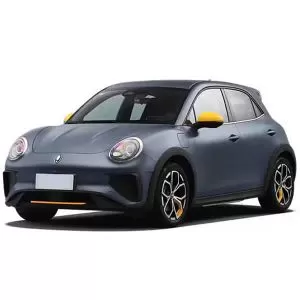
On March 4, 2026, Great Wall Motor (GWM) announced that its 2026 ORA 5 gasoline and hybrid models will be launched in China in April. This marks the brand's first foray into the family SUV market with a full powertrain lineup, a move previously known as a "pure electric pioneer." These two new models are not simply supplements to the pure electric version, but rather precisely target "families without charging stations," "users in cold regions," and those seeking low operating costs, offering a truly practical "refuel and go" solution.
|
project |
Gasoline version |
Hybrid version (HEV) |
|
Powertrain |
1.5T turbocharged engine (GW4B15L) |
1.5T turbocharged engine + electric motor (non-plug-in hybrid) |
|
Engine maximum power |
135 kW (approximately 184 horsepower) |
115 kW (approximately 156 horsepower) |
|
Battery Type |
none |
Honeycomb Energy ternary lithium battery (cannot be externally charged) |
|
Top speed |
190 km/h |
185 km/h |
|
Transmission system |
7-speed wet dual-clutch |
2-speed DHT hybrid dedicated transmission |
|
Vehicle dimensions |
Length 4471mm × Width 1833mm × Height 1641mm, Wheelbase 2720mm |
|
|
Curb weight |
Approximately 1420 kg (declared by the Ministry of Industry and Information Technology) |
Approximately 1460 kg (declared by the Ministry of Industry and Information Technology) |
|
Tire specifications |
225/60 R18 |
|
|
Suspension structure |
Front MacPherson strut + Rear multi-link independent suspension |
|
|
Optional configuration |
Panoramic sunroof, two-tone roof, multiple wheel options, front/side parking sensors |
|
|
Intelligent driving hardware |
No lidar, only basic Level 2 driver assistance. |
|
Note: The hybrid version is a non-plug-in hybrid electric vehicle (HEV), requiring no charging station. The system intelligently switches between gasoline and electric drive, providing quiet and fuel-efficient operation at low speeds and ample power at high speeds. Its technical logic is similar to Toyota's THS, unlike the range extender or plug-in hybrid systems used by Li Auto and BYD.
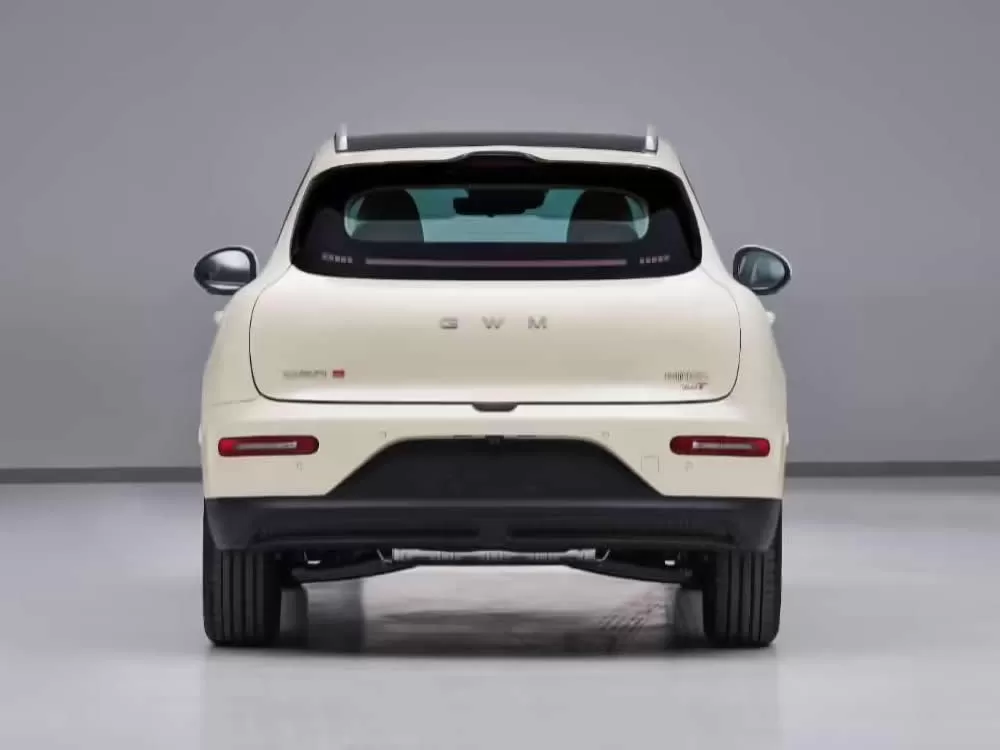
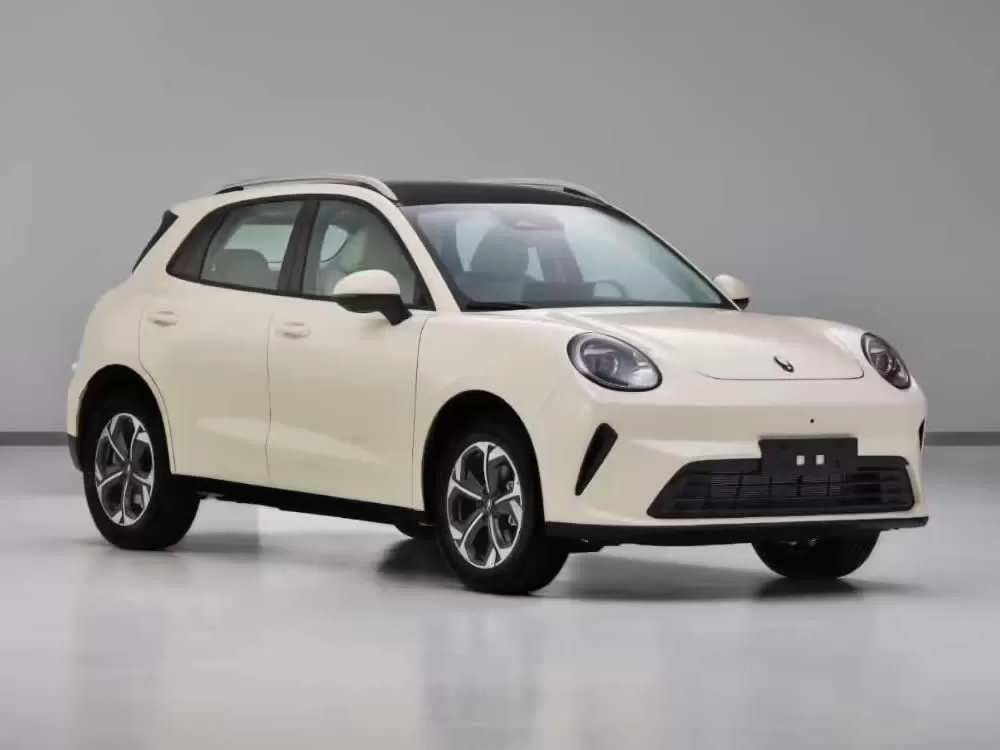
Both new models fully inherit the "Natural Aesthetics" design language of the pure electric version, becoming the most recognizable family symbol of the ORA brand:
Front: The iconic "teardrop" round headlights, paired with a layered front bumper and trapezoidal air intakes, exude a cute yet technologically advanced feel.
Side: The smooth curved body, hidden door handles, and floating roof create a dynamic silhouette reminiscent of a "mini Good Cat."
Rear: The "Dawn" hidden taillights are integrated with the rear window glass, featuring chrome trim during the day and illuminating like a glimmer of light at night, making them highly distinctive.
Color Scheme: The gasoline version uses a silver-gray paint, while the hybrid version features a striking eco-green, creating a clear visual distinction and satisfying individual preferences.
The ORA 5 offers a clear product segmentation with the pure electric version and the "580km LiDAR version": the gasoline/hybrid version focuses on economy and practicality, while the high-spec pure electric version emphasizes intelligent technology, allowing users to choose according to their needs.
|
User Profile |
Why choose the ORA5 gasoline/hybrid version? |
|
Urban families without the means to make a living |
No charging dock in the community, property management won't allow installation? The hybrid version completely eliminates "charging anxiety," you can just refuel and go, and the daily commuting cost is far lower than that of a gasoline car. |
|
Users in cold northern regions |
Is your pure electric range severely reduced in winter? The hybrid version's engine can heat the battery, ensuring low-temperature performance and eliminating "range anxiety." |
|
Young commuters seeking low operating costs |
The hybrid version has a combined fuel consumption of about 5.5L/100km. Based on an average annual mileage of 15,000km, the annual fuel cost is about 4,000 yuan, which is much lower than that of a gasoline SUV in the same class (about 7,000 yuan). |
|
Those who have no strong need for smart technology |
No need for LiDAR or advanced intelligent driving features? The gasoline/hybrid versions offer simpler configurations and more affordable prices, allowing you to spend your money wisely. |
According to Dongchedi user research, 68% of households without charging stations indicated that "hybrid is the only rational choice." ORA 5's move is a precise response to this real demand.
|
Dimension |
Pure electric version (580km Max) |
gasoline/hybrid versions |
|
Power source |
pure electric drive |
Fuel/Hybrid |
|
Energy replenishment methods |
Charging (fast charging takes 20 minutes to go from 30% to 80%) |
Keep going! (Full health restored in 5 minutes) |
|
Vehicle usage costs |
Approximately 0.08 RMB per kilometer (home charging) |
The hybrid version costs approximately 0.35 RMB per kilometer, while the gasoline version costs approximately 0.55 RMB per kilometer. |
|
Winter range achievement rate |
Approximately 65%-70% |
Hybrid versions can reach over 85%. |
|
Intelligent configuration |
Optional LiDAR + Advanced Intelligent Driving |
Basic Level 2 assisted driving only |
|
Price range |
99,800–133,800 RMB |
The estimated price is between 105,000 and 125,000 RMB (subject to official announcement). |
Conclusion: The pure electric version is a "tech-savvy trendsetter," while the hybrid/gasoline version is a "lifestyle partner." Together, they build ORA 5's "one car, multiple powertrains" all-scenario coverage capability.