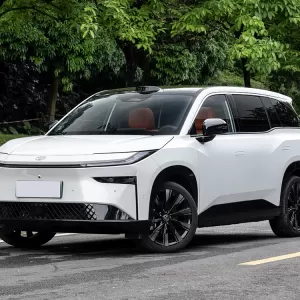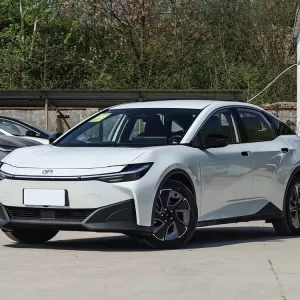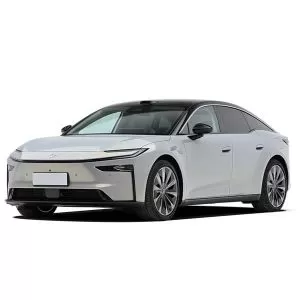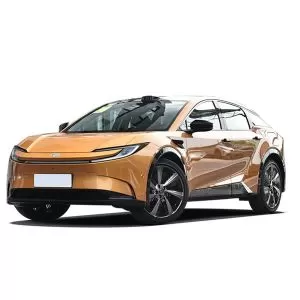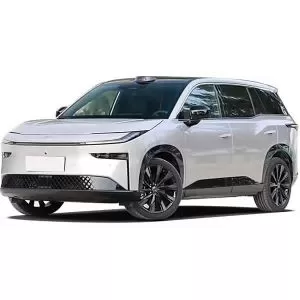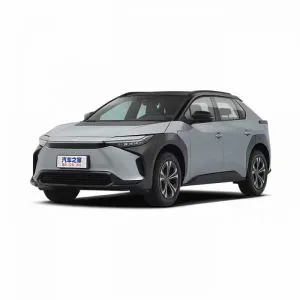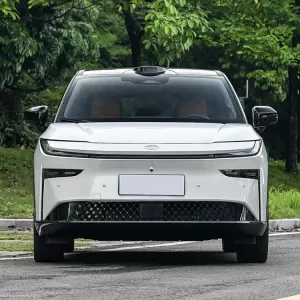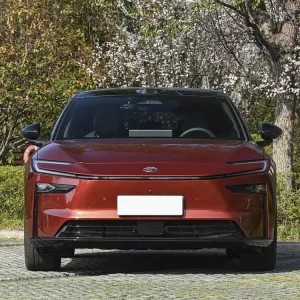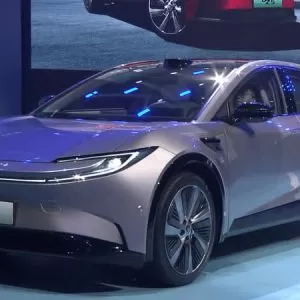
Show description about Toyota EV
Toyota's all-electric vehicles fully utilize the e-TNGA modular electric platform, with the battery pack deeply integrated into the chassis, achieving a low center of gravity and a high-rigidity body structure. It supports front-wheel drive, rear-wheel drive, and dual-motor four-wheel drive layouts, and is already applied to the entire bZ series.
Toyota's batteries primarily use lithium iron phosphate blade batteries, supplied by BYD Fudi, and are used in models such as the bZ3. These batteries possess high safety and high-temperature resistance characteristics, achieving a maximum CLTC range of 630km.
A 74.7kWh high-capacity battery is used in the bZ Woodland and bZ C-HR BEV, supporting fast charging from 10% to 80% in approximately 30 minutes. In low-temperature environments, a heat pump system optimizes range retention.
Its pre-adjustment temperature control technology automatically preheats/cools the battery when the fast charging station is set, ensuring stable fast charging efficiency in winter.
Toyota Safety Sense 3.0: Standard across the entire Toyota lineup, supporting L2+ level functions such as lane centering, automatic emergency braking, road sign recognition, and dynamic radar cruise control. It does not support end-to-end learning, relying instead on rules and pre-trained models.
Toyota Connect: An intelligent cockpit system, standardly equipped with a 12.3-inch full LCD instrument cluster and a 14-inch central control screen, supporting wireless Apple CarPlay and Android Auto. It is not the "TianShu Intelligent OS".
V2X External Power Supply: RAV4 PHEV, WILDLANDER PHEV, and other models support a maximum external power supply of 3.3kW, suitable for camping, emergency power needs, and other scenarios.
The powertrain uses permanent magnet synchronous motors, with a maximum single-motor power of 200kW (bZ3), and a combined dual-motor output of up to 375 horsepower (bZ Woodland). The fastest 0-100 km/h acceleration time is 4.4 seconds, balancing performance and energy efficiency.
Currently Available Pure Electric Vehicles (BEVs)
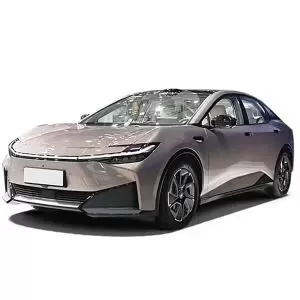
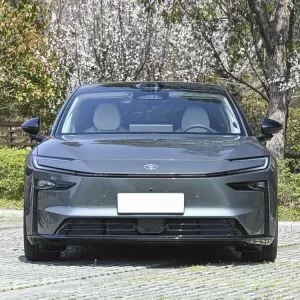
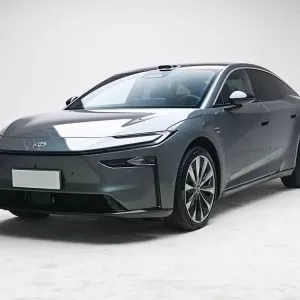
FAW TOYOTA bZ3: A mid-size pure electric sedan, based on the e-TNGA platform, equipped with BYD's blade battery, CLTC range of 517km, and standard L2-level assisted driving.
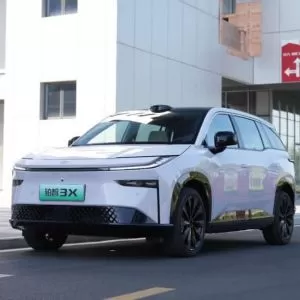
TOYOTA bZ Woodland: A 2026 pure electric mid-size SUV, dual-motor AWD, combined power of 375 hp, EPA range of approximately 452km, ground clearance of 213mm, and supports 3500 lbs towing.
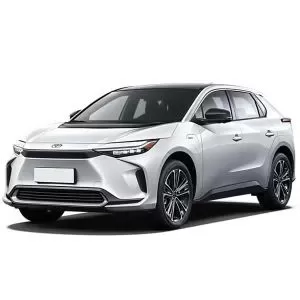
TOYOTA bZ C-HR BEV (formerly bZ4X facelift): A 2026 pure electric compact SUV, dual-motor all-wheel drive, combined power of 334 hp, CLTC range of approximately 467km, and 0–100km/h acceleration in approximately 5 seconds.
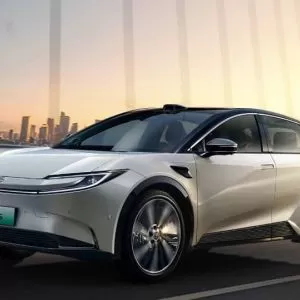
TOYOTA bZ (2026 facelift): The former bZ4X has been renamed "bZ," offering 57.7kWh and 74.7kWh battery options, with a maximum range of 505km (test conditions unknown).
Plug-in Hybrid Electric Vehicles (PHEVs)
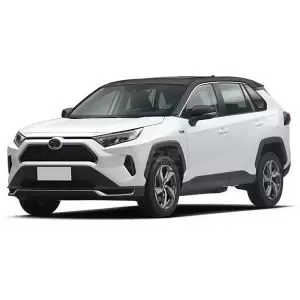
RAV4 PHEV (2026): Features a new series plug-in hybrid system, a pure electric range of 150km, supports 3.3kW external discharge, and a maximum output of 329 horsepower. Available in Z and GR SPORT versions.
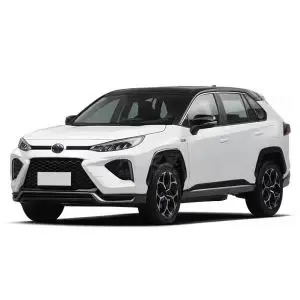
WILDLANDER PHEV: Equipped with a 2.5L plug-in hybrid system, a pure electric range of 95km, and features a 2200W external discharge function, a 15.6-inch central control screen (Qualcomm 8155 chip).
CAMRY Hybrid PHEV: A mid-to-high-end sedan plug-in hybrid version, equipped with ANC active noise cancellation and independent rear air conditioning. High-speed noise is below 60 decibels, achieving a quietness close to that of a pure electric vehicle.