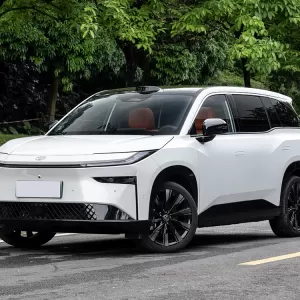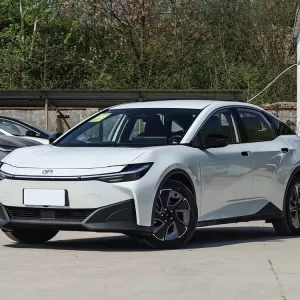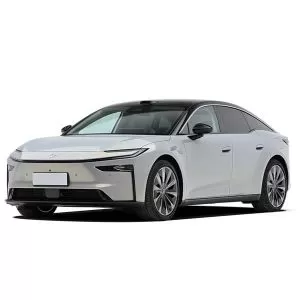
GAC TOYOTA is set to officially launch the 2026 bZ 7 in late March 2026. Positioned as a "D-segment flagship pure-electric sedan," this all-new model redefines the value boundaries of the ¥200,000-class pure-electric sedan market through a core strategy centered on deep technological empowerment by Huawei, global quality endorsement by Toyota, and the comprehensive trickle-down of premium-tier features. It is not a transitional product merely converted from a gasoline platform, but rather an intelligent mobility terminal truly built for the Chinese market, imbued with a global technological vision.
|
Head |
Configuration details |
|
Vehicle dimensions |
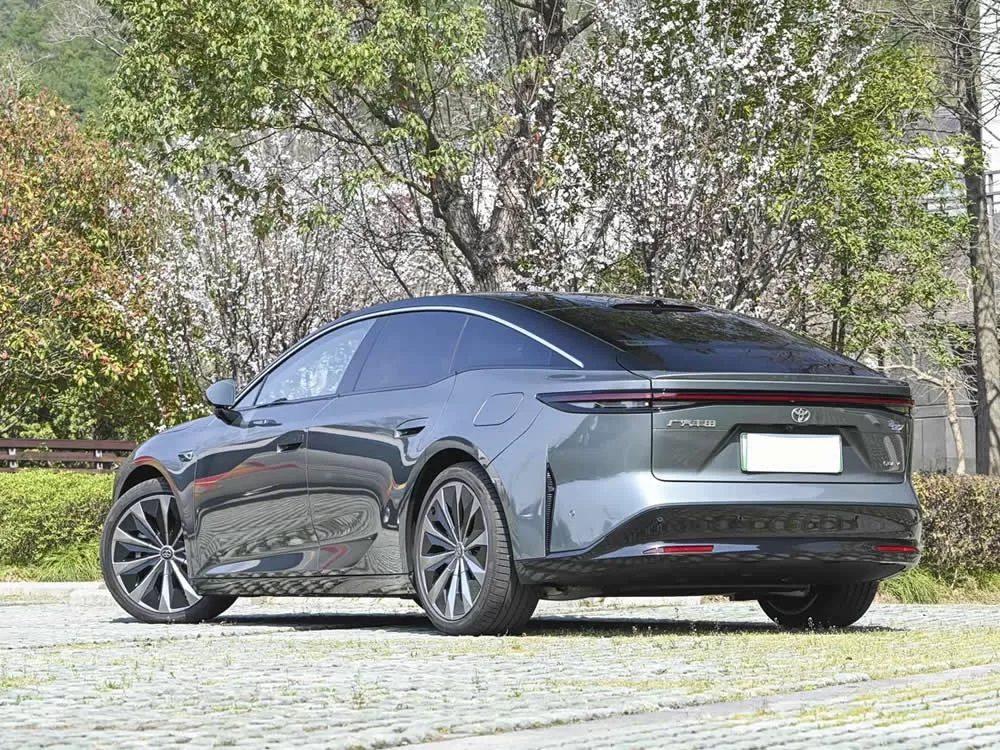
Length 5130mm × Width 1965mm × Height 1506mm, wheelbase 3020mm (surpassing BYD Han EV and Xpeng P7) |
|
Powertrain |
Huawei Drive One electric drive system, with a maximum power of 207kW (282 horsepower) and a top speed of 180km/h. |
|
Battery configuration |
Zhongchuang Aerospace's lithium iron phosphate batteries are available in two capacities: 71.35kWh and 88.13kWh. |
|
CLTC battery life |
600km (71.35kWh)|680km / 700km / 710km (88.13kWh) |
|
Charging technology |
An 800V high-voltage platform provides 400km of range with just 10 minutes of charging, and fast charging from 30% to 80% takes only 20 minutes. |
|
Drive type |
Rear-drive single motor (all models) |
|
Chassis System |
Dual-chamber air spring + SDC intelligent damping shock absorber (standard configuration across the entire series) |
The bZ 7 is Toyota's first pure-electric sedan globally to feature a dual-chamber air suspension system. Furthermore, within the ¥200,000 price segment, it stands as the only joint-venture model to successfully integrate a "triple-flagship" configuration: a luxury-grade chassis, advanced intelligent driving capabilities, and a HarmonyOS-powered cockpit.
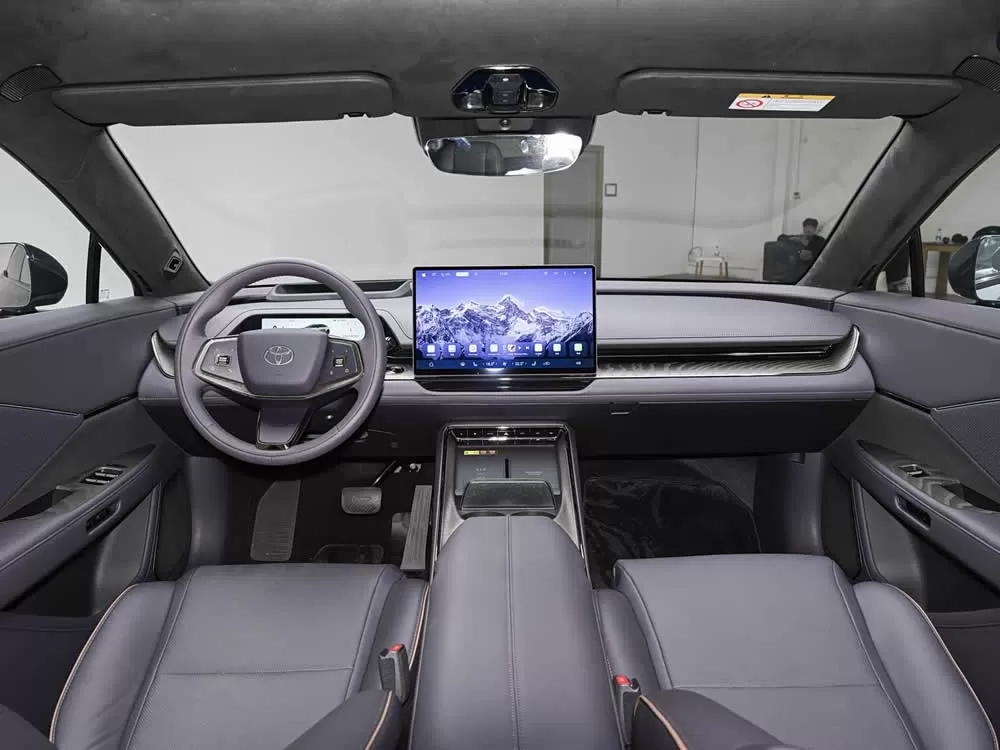
2.1 Huawei HarmonyOS Cockpit 5.0 (Standard across the entire lineup):
15.6-inch floating central control screen + 12.3-inch full-LCD instrument cluster + HUD (Head-Up Display); a seamless, interconnected three-screen experience.
Supports "One-Touch Transfer" from mobile phones, multi-screen collaboration, and integration with the Xiaomi "Human-Car-Home" ecosystem.
2.2 MoLA Hybrid Large Language Model Voice System:
Supports 60-second continuous dialogue and fuzzy semantic understanding (e.g., "Take me to the place where I last had a meal").
Five intelligent agents work in synergy: Navigation, Vehicle Control, News, Encyclopedia, and Multimedia. The voice assistant can proactively offer reminders, such as: "The coffee shop you frequented last week is offering a discount today."
2.3 Luxury Cockpit Experience:
Nappa leather seats + Microfiber suede headliner + 50-year-old White Ash wood trim.
Dual "Zero-Gravity" Seats (Standard for front row): Recline up to 135° and reduce lumbar pressure by 60%.
Tri-zone climate control + Negative ion air purification + Fragrance system + Multi-layer soundproof glass throughout the vehicle (reducing noise by up to 38dB).
Momenta R6 System: A "Safety-First" philosophy bridging the transition from L2+ to L3 autonomous driving capabilities.
3.1 Hardware Configuration:
1 x 192-line LiDAR unit + 11 x HD cameras + 5 x Millimeter-wave radars + 12 x Ultrasonic radars.
3.2 Functional Capabilities:
Supports Urban NOA (Navigation on Autopilot—mapless) and Highway NOA, covering 98% of urban roads in China.
Precise recognition of "sudden pedestrian intrusions," unprotected left turns, passing in narrow lanes, and unmarked parking spaces within residential complexes.
Full-scenario automatic parking, supporting perpendicular, parallel, and diagonal parking, as well as memory parking functions.
3.3 Safety Philosophy:
Jointly developed by Toyota and Momenta, featuring 14 exclusive safety enhancement algorithms designed to cover extreme edge cases.
Commitment to a "Comprehensive Liability Guarantee for Intelligent Driving Accidents": Full compensation is provided for third-party losses resulting from parking collisions or system misjudgments.
"We do not merely aim for the system to be 'capable of driving'; rather, we aim for it to be 'incapable of making mistakes'." — GAC Core Engineer, TOYOTA Intelligent Driving Team
4.1 Exterior:
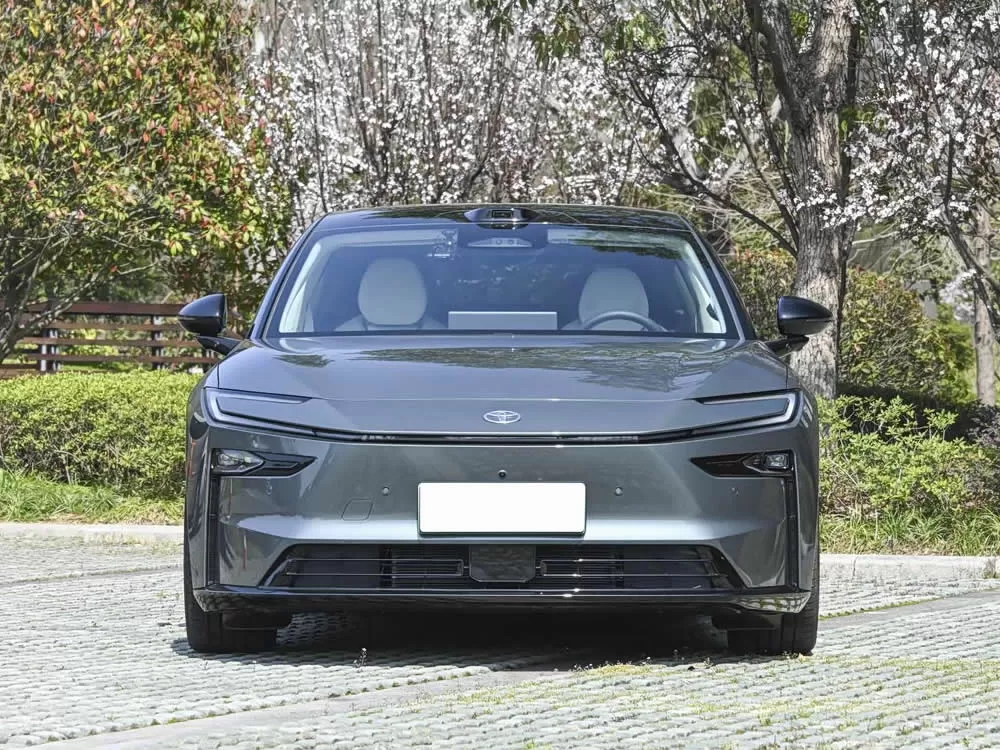
"Hammerhead Shark" front fascia design; features C-shaped, full-width LED daytime running lights paired with split-headlights—a combination that offers both a high-tech aesthetic and strong visual distinctiveness.
Frameless doors + semi-flush door handles + 20/21-inch low-drag alloy wheels, resulting in an ultra-low drag coefficient of just 0.23 Cd.
Integrated design seamlessly blends the roof-mounted LiDAR unit with the panoramic glass roof, ensuring a visually cohesive and uninterrupted profile.
4.2 Interior:
Minimalist design philosophy; traditional physical buttons have been eliminated, with all vehicle functions controlled exclusively via touch interfaces and voice commands.
Independent rear-seat sunshades + privacy glass—a configuration designed to cater equally to both professional business use and family-oriented scenarios.
4.3 Cabin Space:
A generous 3,020 mm wheelbase provides an impressive 980 mm of rear-seat legroom, allowing passengers to comfortably cross their legs.
The trunk offers a standard capacity of 520 liters, expanding to 1,350 liters when the rear seats are folded down—ample space to accommodate two 28-inch suitcases along with camping gear.
|
Version Name |
Suggested Retail Price |
Core configuration differences |
|
600 Pro |
¥ 179,800 RMB |
71.35kWh battery, no lidar |
|
600 Pro LiDAR Edition |
¥ 199,800 RMB |
71.35kWh + LiDAR |
|
700 Max |
¥ 199,800 RMB |
88.13kWh battery, no lidar |
|
700 Max LiDAR Version |
¥ 219,800 RMB |
88.13kWh + LiDAR |
|
710 Ultra LiDAR Version |
¥ 239,800 RMB |
88.13kWh + LiDAR + Zero Gravity Seat + Dual-Cavity Air Suspension |
Although the bZ 7 is currently sold exclusively within the Chinese market—with no immediate plans for an overseas launch—interested customers are welcome to contact us to arrange for a proxy order. However, its technological approach holds global significance:
Huawei’s Drive One electric drive system + HarmonyOS Cockpit + Momenta Intelligent Driving technology—together, they constitute the "Chinese Intelligent Trio."
Dual-chamber air suspension makes its debut in the 200,000 RMB price segment, shattering the entrenched perception that "luxury equals a high price tag."
The deep integration of Toyota’s safety standards with China’s intelligent technologies provides a transformative blueprint for joint-venture brands worldwide.
"The bZ 7 is not merely a Toyota electric vehicle; rather, it represents a new soul infused into Toyota by China’s new energy ecosystem." — *Automotive Business Review*, March 2026 Feature Article
With its 5,130mm body length, 710km driving range, 207kW electric drive system, HarmonyOS Cockpit, dual-chamber air suspension, and LiDAR technology, the 2026 GAC TOYOTA bZ 7 boldly declares to the market:
Joint-venture brands need not rely solely on "cost-cutting" to win.
It eschews the race to the bottom driven by low prices; instead, through *genuine features*, *genuine safety*, and a *genuine user experience*, it grants customers with a 200,000 RMB budget—for the very first time—the sense of dignity and prestige typically associated with the "400,000 RMB class."
The bZ 7 is not just a car; it is a redefinition of the very concept of a "joint venture."