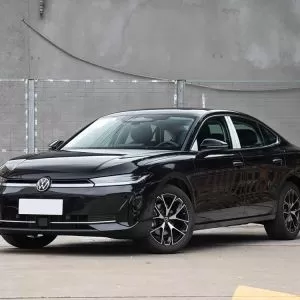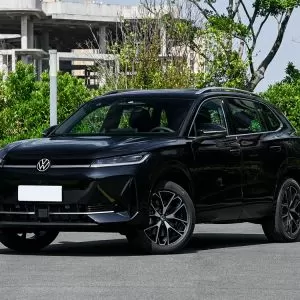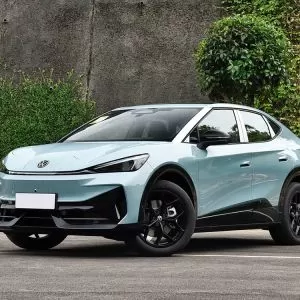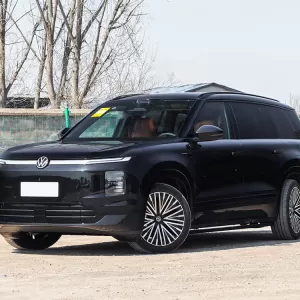
On June 25, 2026, FAW-Volkswagen officially launched its "Golden Super Hybrid" product lineup, simultaneously introducing two plug-in hybrid models: the Magotan PHEV (mid-size sedan) and the Tayron L PHEV (compact SUV). Both models share the same 1.5T plug-in hybrid powertrain architecture, covering two mainstream market segments—family sedans and urban SUVs. With a unified starting price of RMB 169,900, they combine German manufacturing quality with enhanced electrification and intelligent capabilities, offering global consumers a new energy mobility solution that balances economy, practicality, and reliability.
Two trim levels are available for each of the newly launched models; official guide prices are as follows:
Magotan PHEV
PHEV PRO Version: RMB 169,900
PHEV PRIME Version: RMB 194,900
Tayron L PHEV
PHEV PRO Version: RMB 169,900
PHEV PRIME Version: RMB 181,900
Magotan PHEV: Mid-size business sedan with spacious comfort
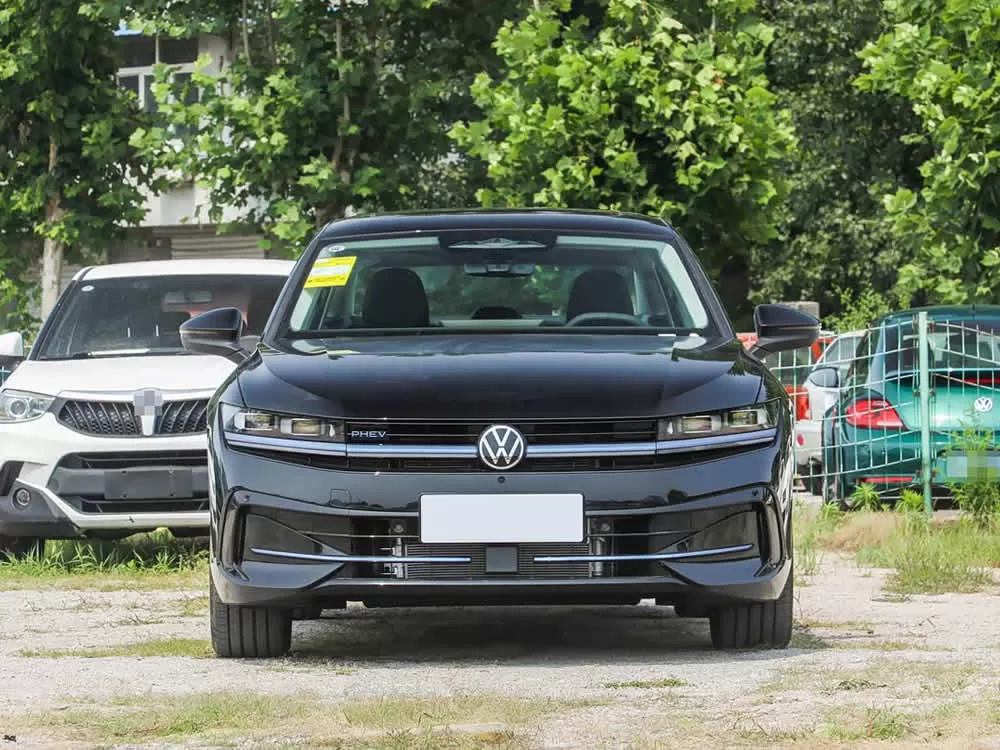
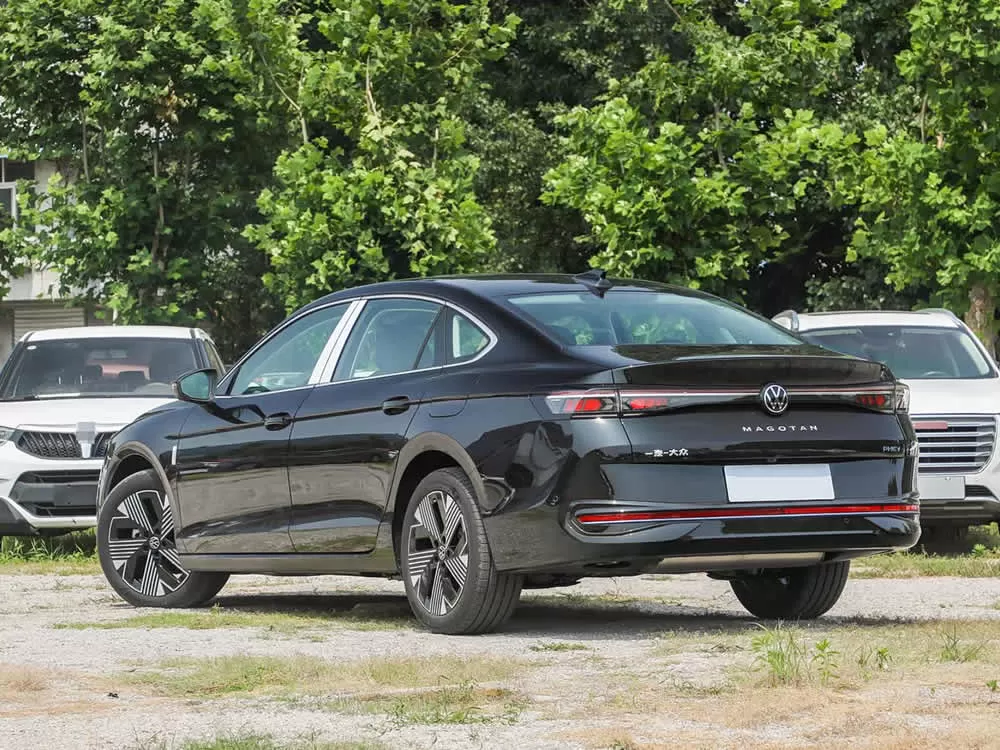
As the plug-in hybrid version of Volkswagen's classic mid-size sedan, the Magotan PHEV retains the composed, stately design language of the internal combustion engine (ICE) model. Its elongated, fluid lines strike a balance between a professional business aesthetic and a refined family-oriented feel. Measuring 4,990 mm in length, 1,854 mm in width, and 1,491 mm in height, with a wheelbase of 2,872 mm, the vehicle offers generous rear-seat legroom typical of the mid-size sedan class, effectively meeting the needs of both daily family commuting and business hospitality.
Tayron L PHEV: Urban SUV styling with a focus on practicality
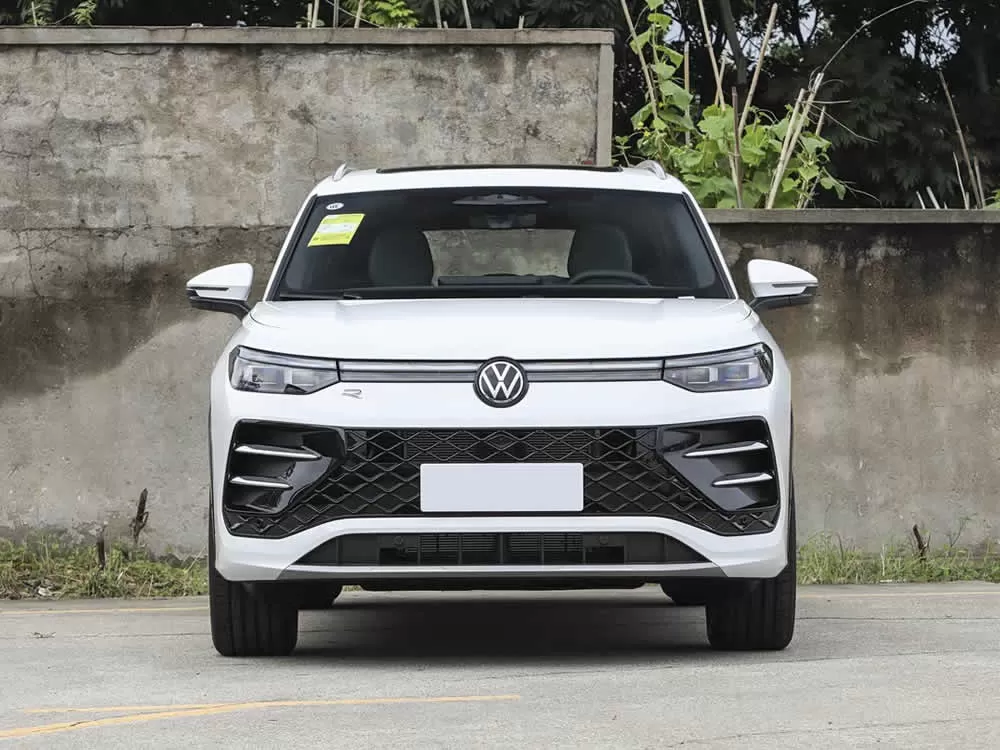
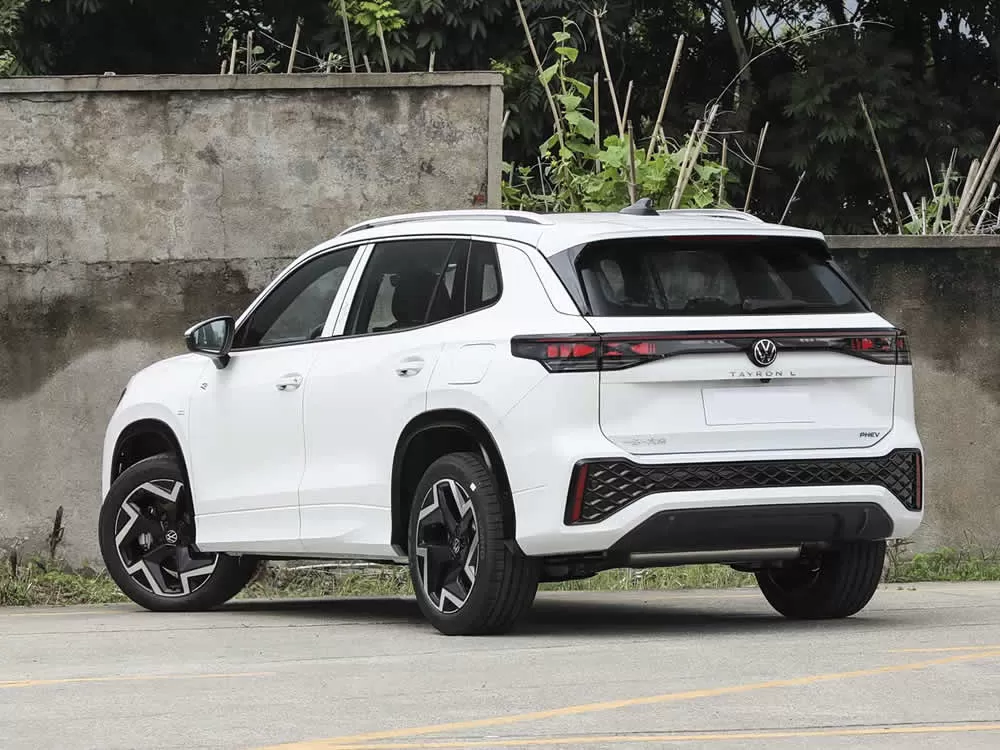
The Tayron L PHEV adopts the signature design style of Volkswagen's SUV family, featuring a bold, sculpted exterior. It offers higher ground clearance and superior off-road capability, making it suitable for diverse scenarios ranging from urban commuting and family road trips to light outdoor activities. The vehicle measures 4,695 mm in length, 1,866 mm in width, and 1,678 mm in height, with a wheelbase of 2,791 mm—dimensions that place it at the upper end of the compact SUV segment. The interior offers ample passenger and cargo space to fully meet daily family needs.
Both models feature Volkswagen's latest digital cockpit design philosophy, emphasizing a minimalist, high-tech aesthetic. The layout is ergonomically designed, ensuring intuitive controls and ease of use.
In terms of smart technology, the entire lineup comes standard with a 10.3-inch fully digital instrument cluster and a 15-inch floating central touchscreen. The infotainment system is powered by the flagship Qualcomm Snapdragon 8155 chip and runs the IQ. Connectivity system, offering smooth touch responsiveness and supporting voice interaction, online navigation, multimedia entertainment, and connected vehicle services.
The high-end PRIME version further elevates the experience by adding an 11.6-inch front-passenger entertainment screen and a Head-Up Display (HUD) system. It also includes a heated steering wheel, as well as heated and ventilated front seats, ensuring greater comfort for occupants during long-distance journeys.
Both models are equipped with FAW-Volkswagen's "Golden Super Hybrid" 1.5T plug-in hybrid system, comprising a 1.5T turbocharged engine and a drive motor. The engine delivers a maximum power of 95 kW, while the drive motor offers a peak output of 145 kW; the system is paired with a 22 kWh battery pack.
The system offers four driving modes: pure electric, series hybrid, parallel hybrid, and energy recovery. The vehicle control system intelligently detects the driver's intent and automatically switches to the optimal power mode: pure electric mode is used for low-speed commuting, ensuring a quiet, zero-emission drive; series mode engages during low-to-medium speed driving, with the engine acting as a range extender to generate electricity; parallel mode activates during high-speed cruising, combining engine and motor output to balance power and fuel economy; and energy recovery mode replenishes the battery during deceleration, further enhancing range efficiency. Additionally, the vehicle features an anti-motion-sickness coasting control system; by ensuring smooth power transitions and controlled coasting, it reduces the likelihood of passenger motion sickness and improves overall ride comfort. In terms of range, the Magotan PHEV offers a combined range of up to 1,510 km with a full tank and full charge, while the Tayron L PHEV exceeds 1,400 km. Drivers can utilize pure electric mode for daily commutes—enabling zero fuel consumption and low-cost travel—and switch to hybrid drive for long-distance trips, effectively eliminating the range anxiety associated with pure electric vehicles.
Regarding intelligent driving, both models are equipped with the "Xingyun" intelligent driving assistance system. This supports Highway NOA (Navigation on Autopilot), enabling functions such as automatic following, lane keeping, and automatic lane changing on highways, which effectively reduces driver fatigue during long journeys.
Parking capabilities are a key highlight of these models: the system supports "cross-floor memory parking" over a distance of 2 kilometers, capable of learning and replicating up to 15 fixed routes—each spanning up to 2 kilometers and traversing multiple parking levels—making it ideal for complex environments like large shopping malls and residential underground garages. Additionally, the vehicles feature 100-meter "reverse assist" (retracing the path taken) and remote parking functions, helping drivers easily navigate tight parking spaces and complex traffic conditions.
As core offerings in the mainstream new energy vehicle market for the Volkswagen brand, the 2026 Magotan PHEV and Tayron L PHEV retain the solid chassis tuning and reliable craftsmanship characteristic of German vehicles. At the same time, they enhance their competitiveness through advanced intelligence and electrification technologies. This creates a differentiated market position within the 150,000–200,000 RMB plug-in hybrid segment, offering a mature and dependable new energy choice for consumers worldwide who prefer established joint-venture brands.